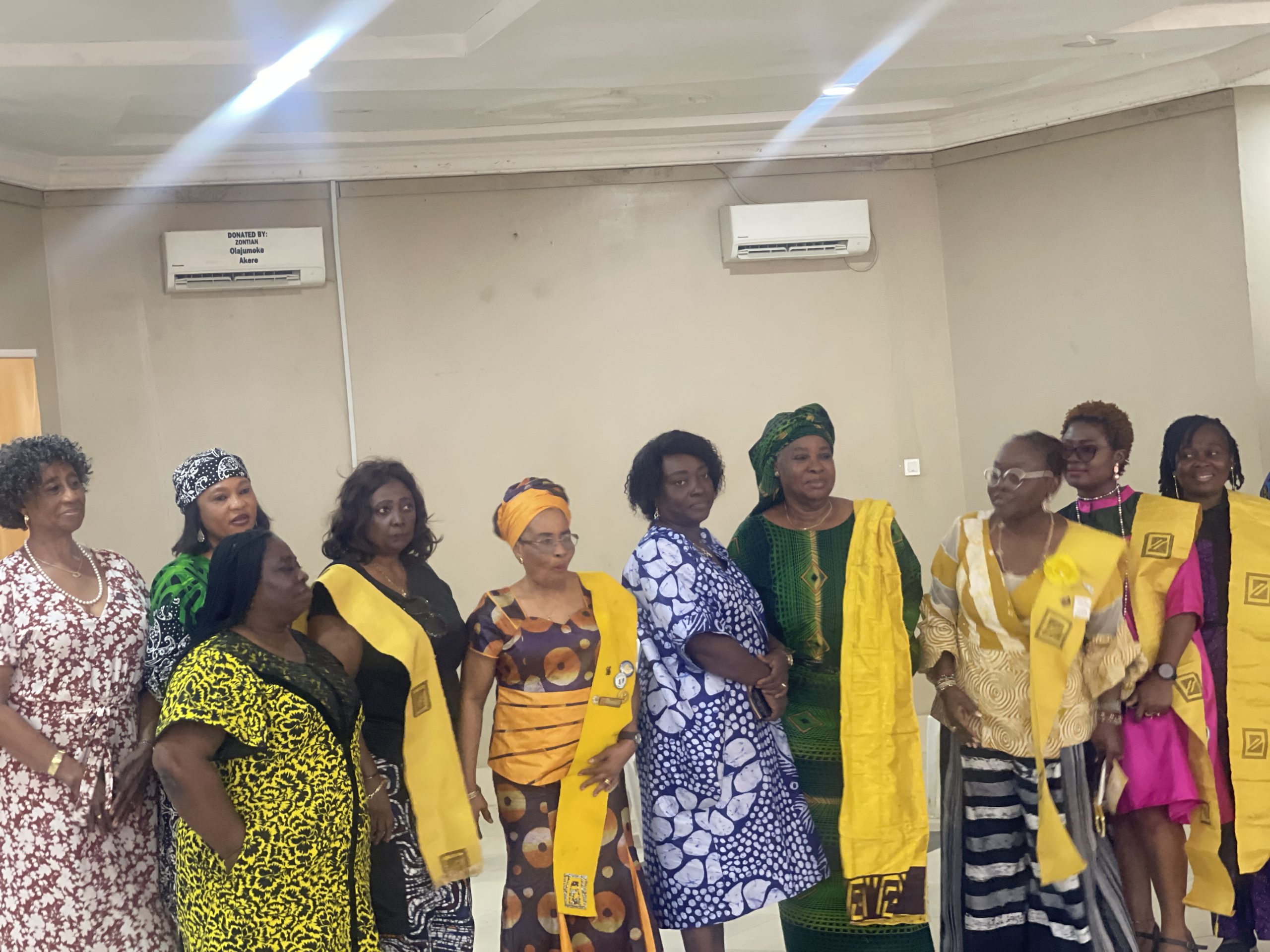
The President of Zonta Club Ibadan, Mrs. Eniola Oyedele, has pointed out inferiority as one of the frontline crises a girl child experiences in the world.
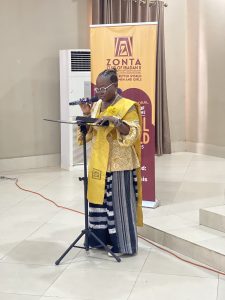
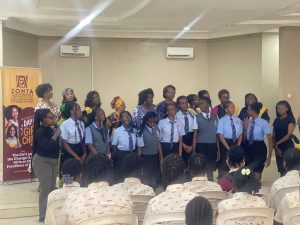
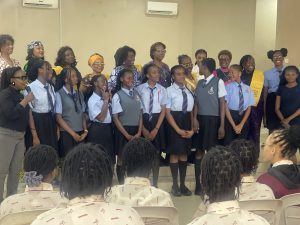
Mrs. Oyedele, while speaking during the International Day of the Girl Child themed “The Girl I Am, The Change I Lead: Girls on the Frontline of Crisis”, held at the Zonta House, Jericho Ibadan, said discriminating against the girl child kills the drive in her, as leadership and roles should be based on capability and not gender.
The Zonta President also implored parents, societies, and educators to listen to the girl child and encourage her instead of shoving her aside, noting that every girl has the potential to lead and make a positive difference in her community.
In her words “It is not in just being female. It’s not about gender. It’s about what you have in you. But the day you start defining a person because she’s female, and then you look down on that person, you have started a crisis. It is right at the forefront of the crisis. So we need to put a stop to that. We need to let our girls have their voices heard. As a parent, it’s important to let your girls know that you’re hearing them. If your girls don’t see you listening to them and hearing what they’re saying, they won’t come to you.”
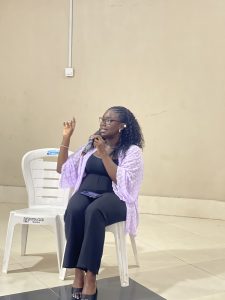
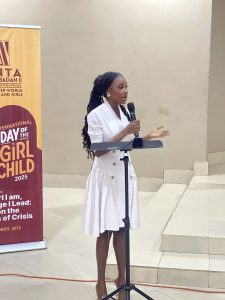
The Guest Speakers at the event, Miss Fikunmi Falase and Miss Anuoluwapo Olajide, urged every girl child to be courageous, describing courage as a sign of a good leader. They also emphasized that having a mentor helps one stay focused and motivated in the pursuit of personal goals.
“I would say that we should focus more on capabilities rather than gender. Just because a woman hasn’t done something before doesn’t mean that she’s incapable of doing it. If there is no space for her to achieve that thing, then we’ll never know if she’ll be able to do it. Be bold. Be courageous. Be audacious. Just go out there and be the biggest version of yourself”.

“Because you are the girl that you are, you already have the seed of change in you. As a girl, you might not know what you want to do, but in the long run, you’ll eventually be what you want to be. When you know what you want to become, you already have that hope of the change that you want to make. Sit down. Think about it. Count the cost of what it’s going to take you. And when we talk about looking up to somebody, it’s not overrated. You have to look up to somebody so that you will be motivated. You will not slack in what you want to become. It’s going to serve as a daily motivation for you.”
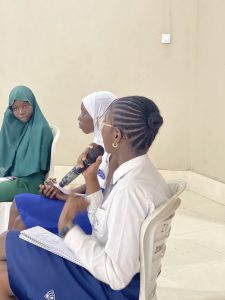
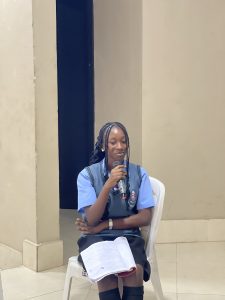
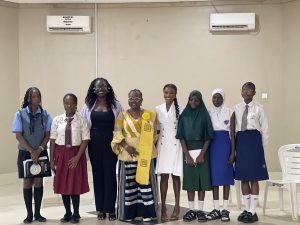
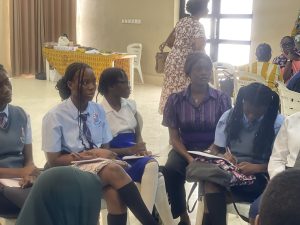
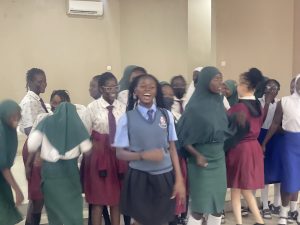
Also, some of the students in attendance shared their experiences of being a girl childhow they have been overlooked in certain fields and engagements, and how such experiences have affected their confidence and worldview.
One of the students said, “As a girl child, I feel, especially because of my body, I feel like I’m always objectified with whatever I wear. Sometimes when I want to go out, I have to double-check myself to make sure nobody is going to say anything indecent, even though it’s just how my body is”.
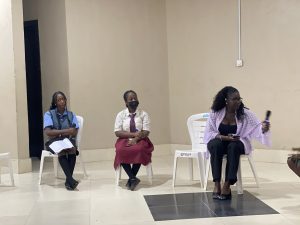
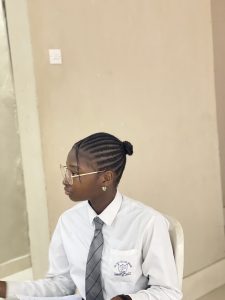
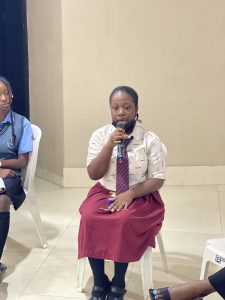
My experience of being a girl is mostly facing gender inequality. A lot of opportunities girls have missed because they are girls, which should not happen. As girls, we are empowering, we are strong, we are resilient, and we should not miss opportunities because of gender.
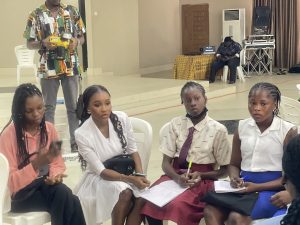
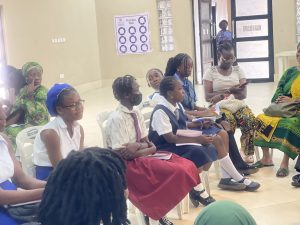
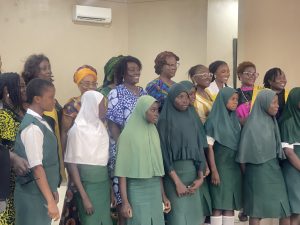
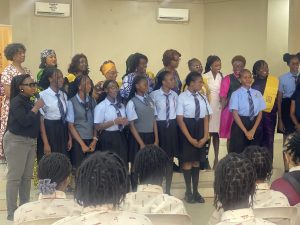
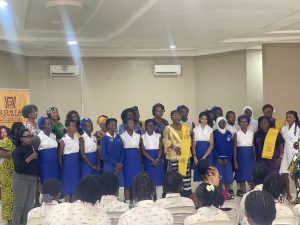
In her closing remarks, Mrs. Oyedele reaffirmed Zonta Club’s commitment to promoting gender equality and supporting initiatives that advance the rights and education of the girl child. She added that the organization will continue to schools to create safe spaces where girls can express themselves freely and pursue their dreams.
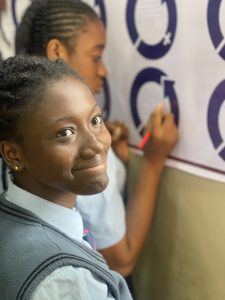
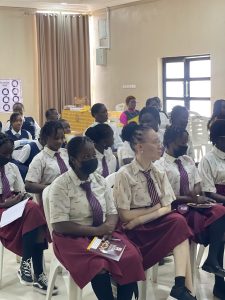
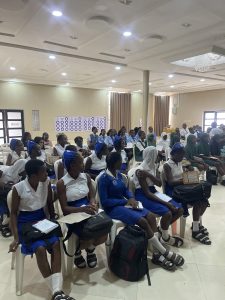
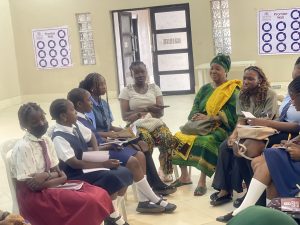
The event also featured promise wall, and an interactive session where girls discussed the challenges they face daily and suggested practical ways to overcome them.
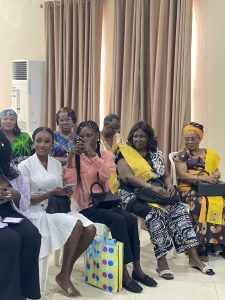
The atmosphere was filled with hope and determination as participants pledged to become voices of change, leading their peers and communities towards a more inclusive and equal society.
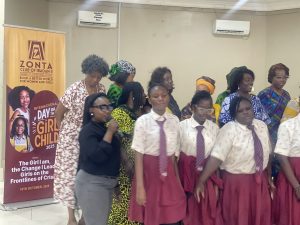
The theme for this year’s celebration, “The Girl I Am, The Change I Lead: Girls on the Frontline of Crisis”.
COV/NO/EO AA
